Before you leave your static caravan or lodge for winter, make sure it is ready for freezing weather. A properly completed drain down helps protect the domestic water system and could spare you a difficult start to next season.
It is also important to understand the winter precautions required by your insurance policy. Book any work early, read your manufacturer’s guidance and ask for help if you are unsure.
Why draining down matters
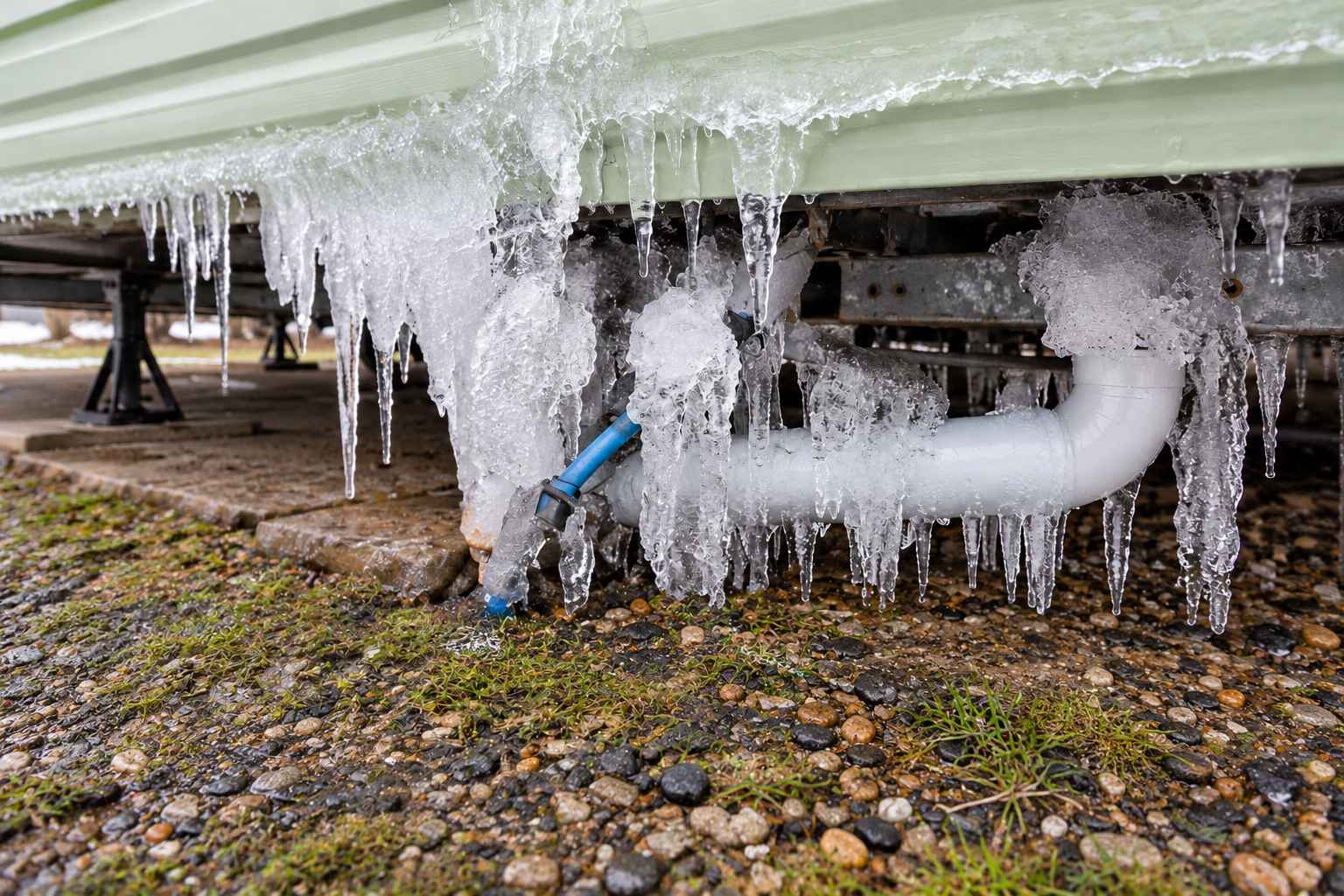
Water expands when it freezes. Water left in pipes, fittings or a water heater can cause damage, with leaks sometimes becoming apparent only when the system thaws or the supply is restored.
Turning off the stopcock helps limit the amount of water available to escape, but water already inside the system still needs attention.
Check your insurance before your last visit
Read your policy wording and schedule to check when winter precautions apply, how “unoccupied” is defined and what you must do when leaving your holiday home.
NACO’s published insurance summary identifies a drain-down requirement when the holiday home is unoccupied between 1 November and 1 March. It describes turning off the water at the stopcock, leaving taps and showers open with plugholes unobstructed, and flushing toilets so the cisterns are emptied. Your own policy documents contain the full terms, including any endorsements.
If you are unsure what your cover requires, speak to us before leaving. Do not assume that a short absence or occasional winter visits remove the need to take precautions.
Arrange a drain down before freezing weather
Check your caravan handbook and the instructions for its boiler or water heater. Systems vary, so a general checklist cannot replace the procedure for your particular home.
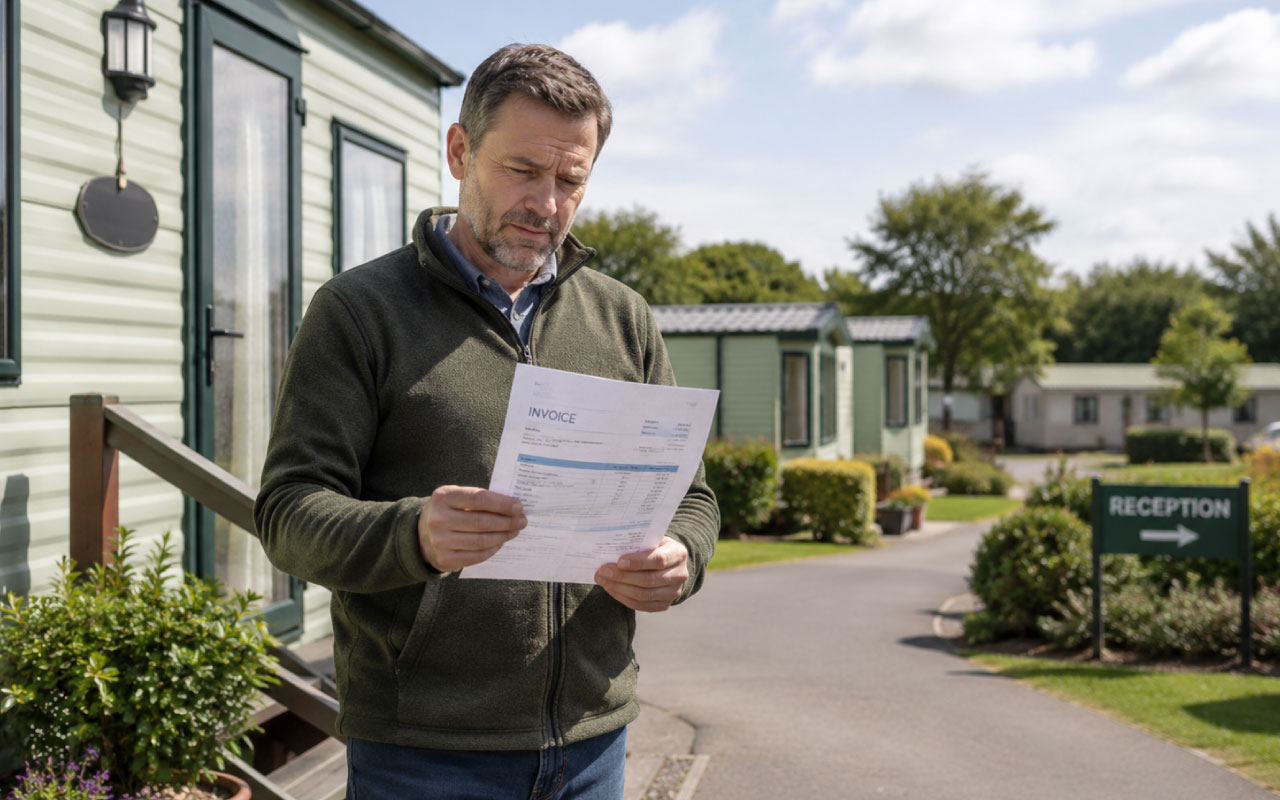
We recommend using a competent caravan engineer or your park’s winterisation service. Confirm the work included, the completion date and whether appliances connected to the water supply need separate attention. Keep the confirmation and invoice with your maintenance records.
Do not wait for the park to close if freezing temperatures are forecast sooner.
What a drain down should cover
Use these points to discuss the work with your park or engineer. If you undertake it yourself, follow the manufacturer’s instructions and only carry out work you can complete competently.
- Isolate the incoming water supply and drain the domestic hot and cold water system using the correct drainage points.
- Open taps and showers, empty toilet cisterns and keep plugholes clear.
- Address trapped water in mixer fittings and the water heater. An engineer may need suitable equipment to blow residual water from the pipework.
- Check waste traps and toilet bowls. Use only an appropriate non-toxic winterising product where recommended by the manufacturer; do not use automotive antifreeze.
- Include water-fed appliances and outside taps where fitted, following their own instructions.
Treat central heating separately
The sealed central heating circuit is separate from the domestic water supply. Do not open its drain valves as part of a routine drain down. Ask a qualified engineer to check that the system has the correct antifreeze protection for expected temperatures.
A boiler’s frost setting has limits and depends on the supplies and operating conditions specified by its manufacturer. It should not be assumed to protect every pipe, fitting or the domestic water circuit.
Before you lock up
- Winter preparation also helps keep your holiday home in good condition while it is empty.
- Empty and clean the fridge and freezer, leaving doors ajar once switched off.
- Leave internal and cupboard doors open to encourage airflow, and move removable cushions away from outside walls.
- Check exposed pipe insulation and arrange any repairs needed.
- Secure windows and external doors, and make sure the park has your current contact details.
- Trace heating or other frost protection equipment may provide additional protection. Check with your insurer before relying on it as an alternative to any required drain down.
When you return
- Have the system recommissioned in accordance with the manufacturer’s instructions. Check for leaks as the water is restored and before leaving it unattended. If anything looks wrong, turn the water off and arrange an inspection.
Need help understanding your winter cover? Speak to the NACO team if you have questions about the winter conditions in your policy. For practical help with draining down, contact your park or a competent caravan engineer. A little preparation now can help you return to a holiday home that is ready to enjoy next season.