Owning a static caravan or lodge is a fantastic way to enjoy relaxing getaways and quality time with family - but like any home, it comes with maintenance responsibilities. Understanding which tasks fall to you as the owner and which are handled by the park helps you avoid confusion, prevent disputes, and keep your holiday home in top condition.
In this guide, we’ll break down the typical responsibilities of owners and holiday parks, explain how to report issues, and share why regular upkeep is key to protecting your investment.
Owner vs. Park Responsibilities
When you purchase a static caravan or lodge, you enter into an agreement with the park - and this agreement sets out who handles what when it comes to maintenance and repairs.
Generally, owners are responsible for the upkeep of their individual unit, while the park maintains shared spaces and infrastructure. However, exact details can vary depending on your park’s site licence and your ownership agreement, so it’s always worth checking your paperwork.
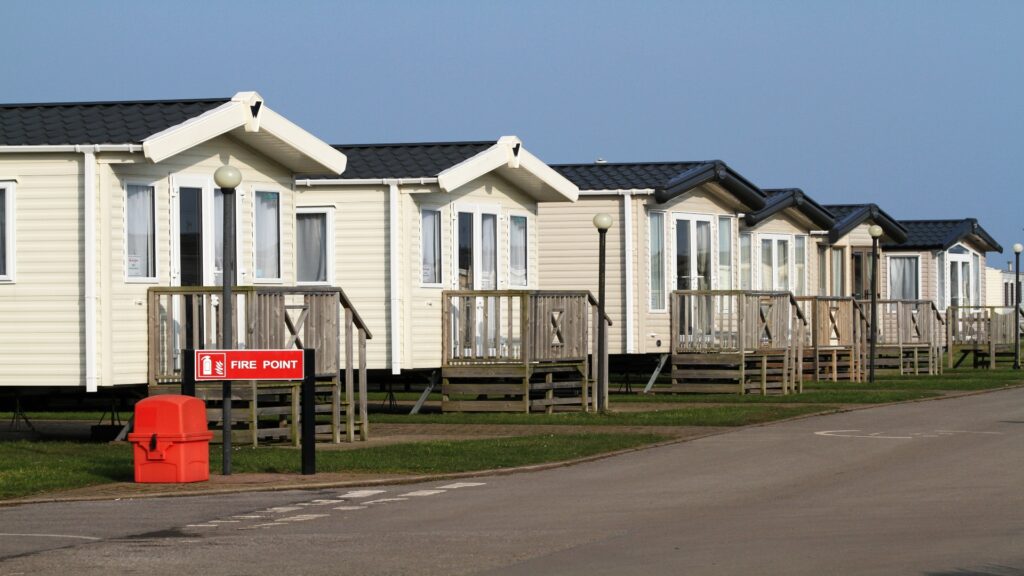
Typical Maintenance Tasks for Owners
As the caravan or lodge owner, you’re usually responsible for maintaining your holiday home’s interior and exterior. This includes:
- Interior Maintenance: Cleaning, decorating, checking gutters and repairing fixtures such as doors, windows, and flooring.
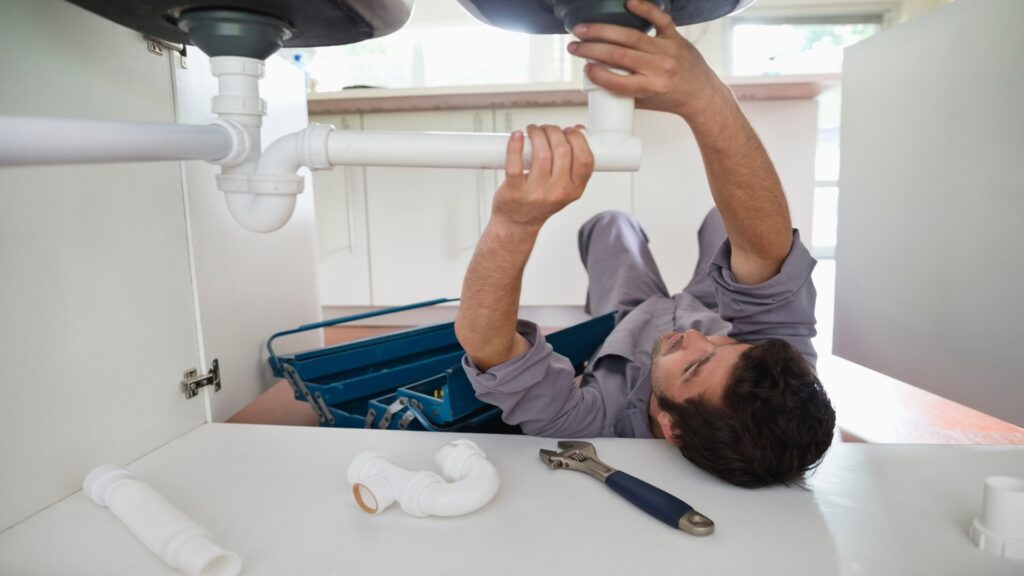
- Appliances: Looking after white goods, heating systems, and other appliances - including arranging servicing or replacements when needed.
- Exterior and Decking: Maintaining decking, steps, skirting, checking guttering and outdoor furniture to keep your space safe and attractive.
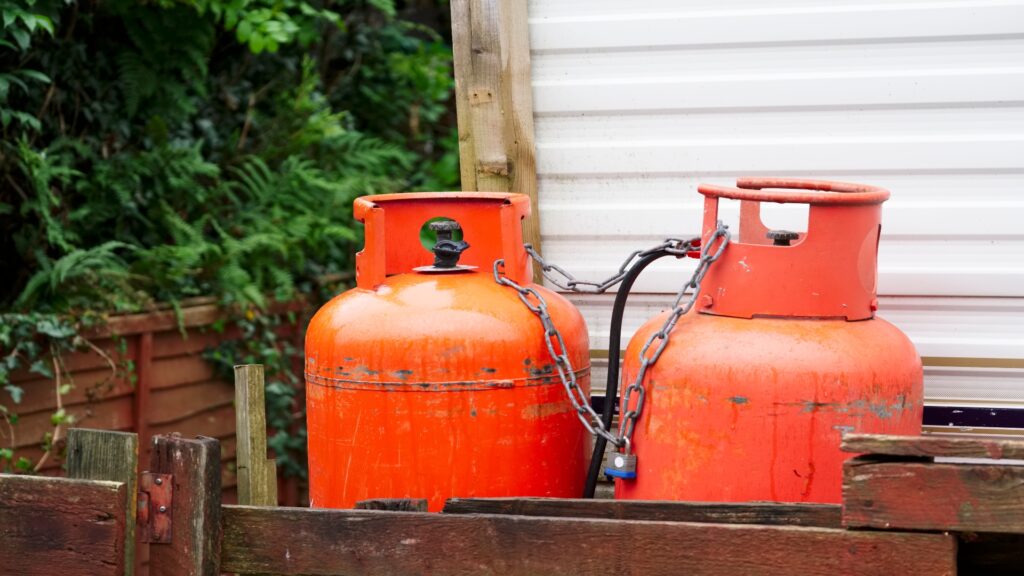
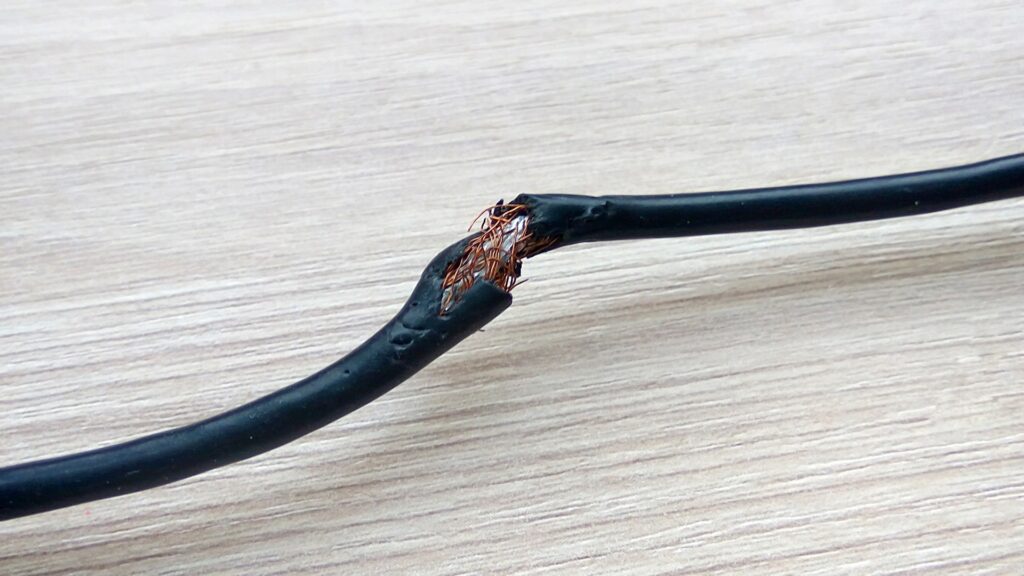
- Gas, Electric, and Water Checks: Ensuring your caravan’s systems are serviced regularly by qualified professionals, especially before peak seasons.
Regular care not only keeps your home comfortable but also helps maintain its resale value.
What the Park Usually Covers
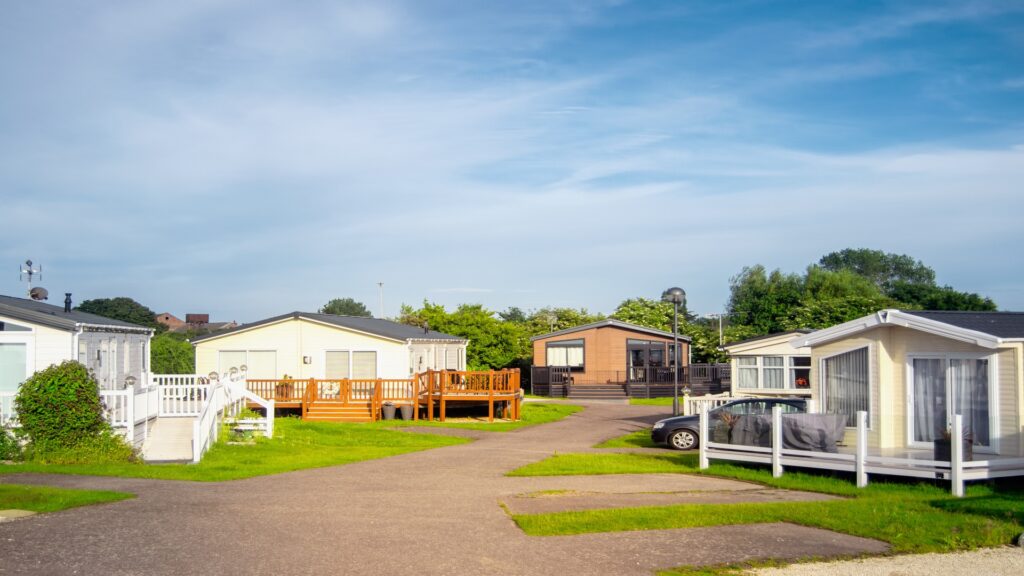
While you look after your individual unit, the park is responsible for maintaining communal areas and essential site services. This typically includes:
- Grounds Maintenance: Mowing grass, trimming hedges, maintenance and cutting of trees and keeping shared spaces clean and tidy.
- Roads and Pathways: Repairing potholes, managing drainage, and ensuring safe access throughout the park.
- Utility Infrastructure: Upkeeping park-wide gas, electricity, and water connections (but not the connections within your unit).
- Communal Facilities: Looking after amenities such as clubhouses, play areas, and swimming pools.
Essentially, anything that benefits all residents or falls under the park’s management usually comes under their remit.
How to Report Issues to the Park
If you notice a problem that you believe falls under the park’s responsibility - such as a blocked drain in a shared area or a faulty power supply to your pitch - you should report it directly to park management.
Most parks have a simple process for this:
- Use an online maintenance request form if available.
- Call or visit reception to log the issue.
- Provide details and photos where possible to speed up repairs.
Keeping clear communication records is always a good idea, especially for recurring issues.
The Importance of Regular Upkeep
Regular maintenance isn’t just about appearances - it’s essential for safety, longevity, and cost-efficiency. Small issues like minor leaks or worn seals can quickly become expensive problems if ignored.
By keeping on top of cleaning, servicing, and seasonal checks, you’ll:
- Prevent avoidable damage
- Reduce long-term repair costs
- Ensure your lodge or caravan stays welcoming year after year
A well-maintained holiday home also enhances your enjoyment and helps you make the most of your investment.
Conclusion
Understanding who is responsible for maintenance and repairs helps static caravan and lodge owners budget effectively, stay compliant, and avoid unnecessary stress.
While parks take care of communal areas and site services, owners play a key role in maintaining their own holiday home. Working together ensures a safe, attractive, and enjoyable environment for everyone on site.