Buying your first static caravan or lodge should feel exciting, not stressful. If you are staring at a list of costs and wondering what you might have missed, you are in good company. Plenty of owners start in the same place. Let us walk through it together at an easy pace, so you can plan with confidence and know what is coming next. Have you got a park in mind yet?
The price on the brochure is only part of the picture. There are a few upfront extras that do not always get talked about on day one. Knowing about them now helps you budget properly and keeps surprise costs to a minimum.

The Purchase Price: What to Expect
Costs vary a lot with size, spec and whether you go new or pre owned. New static caravans typically range from £25,000 to £150,000, with simpler models starting around £30,000 and higher spec options reaching £100,000 or more. Luxury lodges usually sit higher, roughly £80,000 to £300,000 at the very top end.
Pre owned caravans can be brilliant value, often £10,000 to £80,000. Price depends on age, condition, location and any upgrades or furnishings. Many owners find that a well looked after pre owned model gives them everything they want for far less than buying new.
Before you hand over the purchase price, run these quick checks:
• Confirm what is included in the price, for example furniture, white goods, extras • Verify condition and any warranty that transfers to you • Ask whether siting and connection costs are included • Ask about recent maintenance or upgrades with receipts if possible • Make sure all documentation and ownership papers are correct
Pitch Fees and Legal Costs
Pitch fees are a big part of the upfront picture. Many parks ask for the first year up front, and typical fees run from £2,000 to £8,000 depending on location, facilities and the season you buy in. If you are purchasing mid season, some parks will pro rata, so ask early in the conversation. In recent seasons many parks have reviewed fees because of higher energy and maintenance costs, so it is worth asking about any planned increases after you complete.
You will also see some legal and admin costs. Static caravan purchases are simpler than buying a house, but there are still contracts and key documents to check. Budget around £300 to £800 if you want a solicitor to look over the park terms and conditions and to cover administration.
The pitch licensing agreement is worth real attention. It sets out your rights and responsibilities and the park's obligations. A professional review can save headaches later and gives you peace of mind about what you are agreeing to. If you want a second pair of eyes, our team can point you to the right questions to ask.
Transport and Siting Costs
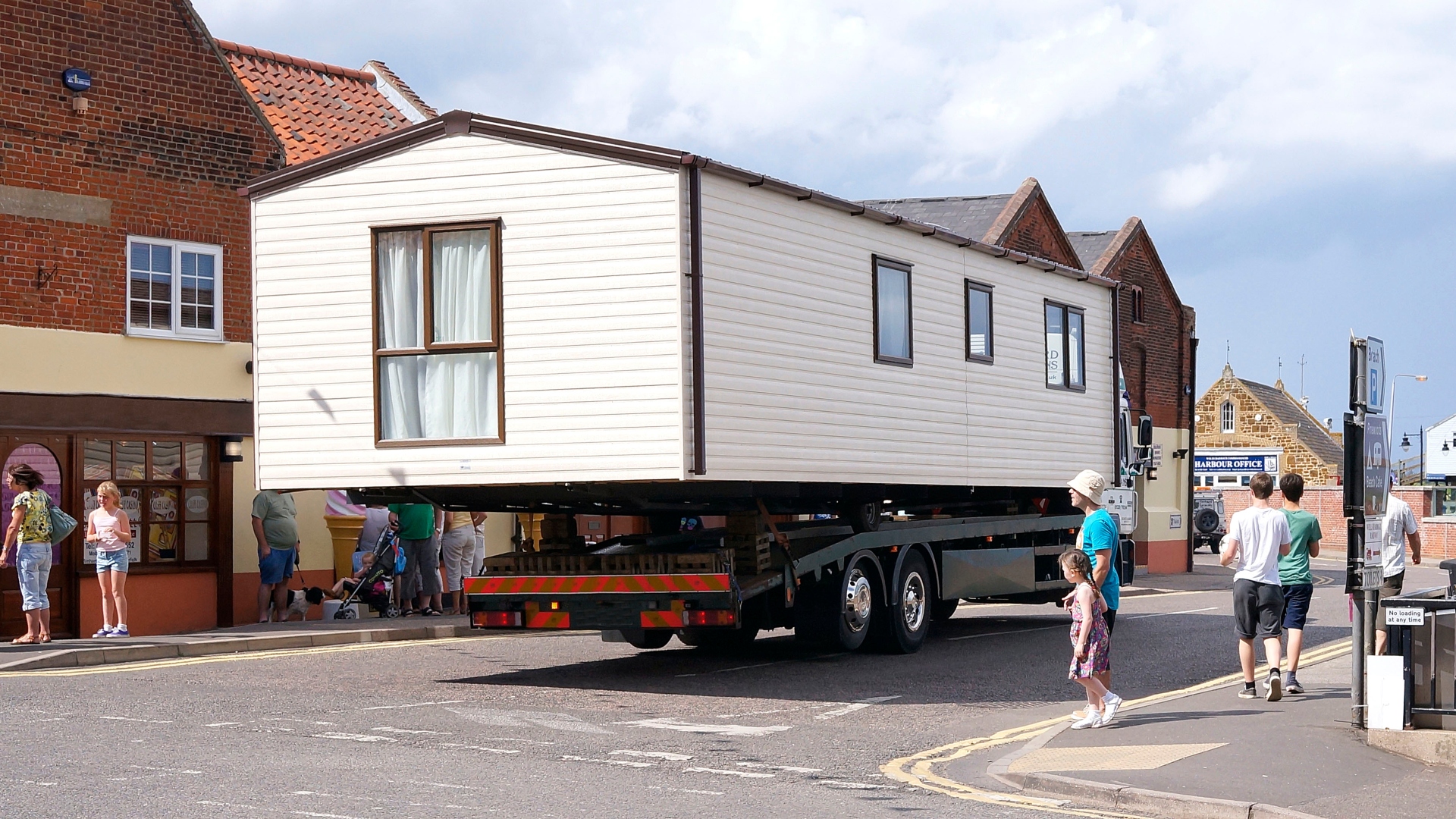
Getting the caravan to the park and into position is usually quoted separately. Transport within the UK typically ranges from £1,500 to £4,000, driven by distance and route.
Siting covers crane work, positioning and initial levelling on your pitch. This specialist job is usually £800 to £2,500, depending on access and complexity. Some parks prefer contractors who know the site, which can make the day run more smoothly and sometimes sharpen the price.
To keep this part tidy and predictable, it helps to confirm a few points:
• Get written quotes from at least two transport firms • Ask if the park has recommended contractors • Confirm what is covered, for example insurance in transit, positioning and levelling • Clarify who is responsible if weather delays the move • Ask about extra costs for tight access or special requirements
Insurance Requirements
Most parks will ask to see proof of insurance before your caravan arrives on site, so it is one of the first jobs to tick off. At NACO Services we provide insurance designed specifically for static caravans and lodges, with cover options that reflect how owners actually use them.
Annual premiums usually range from £150 to £600, depending on the value of your caravan, its location and the level of cover. Although insurance is an ongoing cost, most policies are paid annually at the start of the period, so it is an upfront spend to plan for.
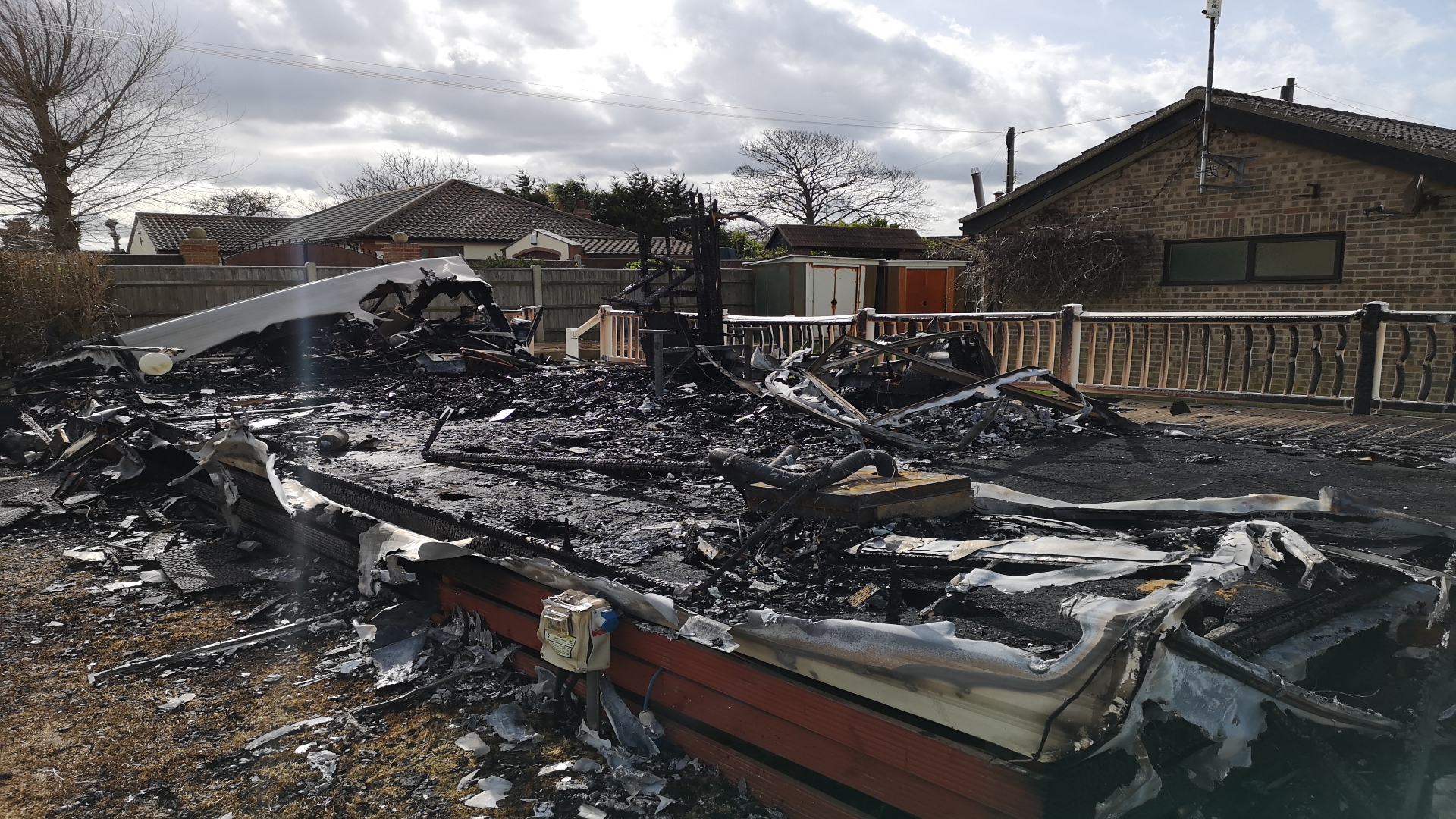
Look for cover that includes the structure, contents and public liability, plus alternative accommodation if your caravan becomes uninhabitable after an insured event. Many policies will also cover decking and outbuildings, which is helpful given the cost of those extras.
If you would like a quick steer on cover, our team is happy to explain your options in plain English.
Utilities and Connection Costs
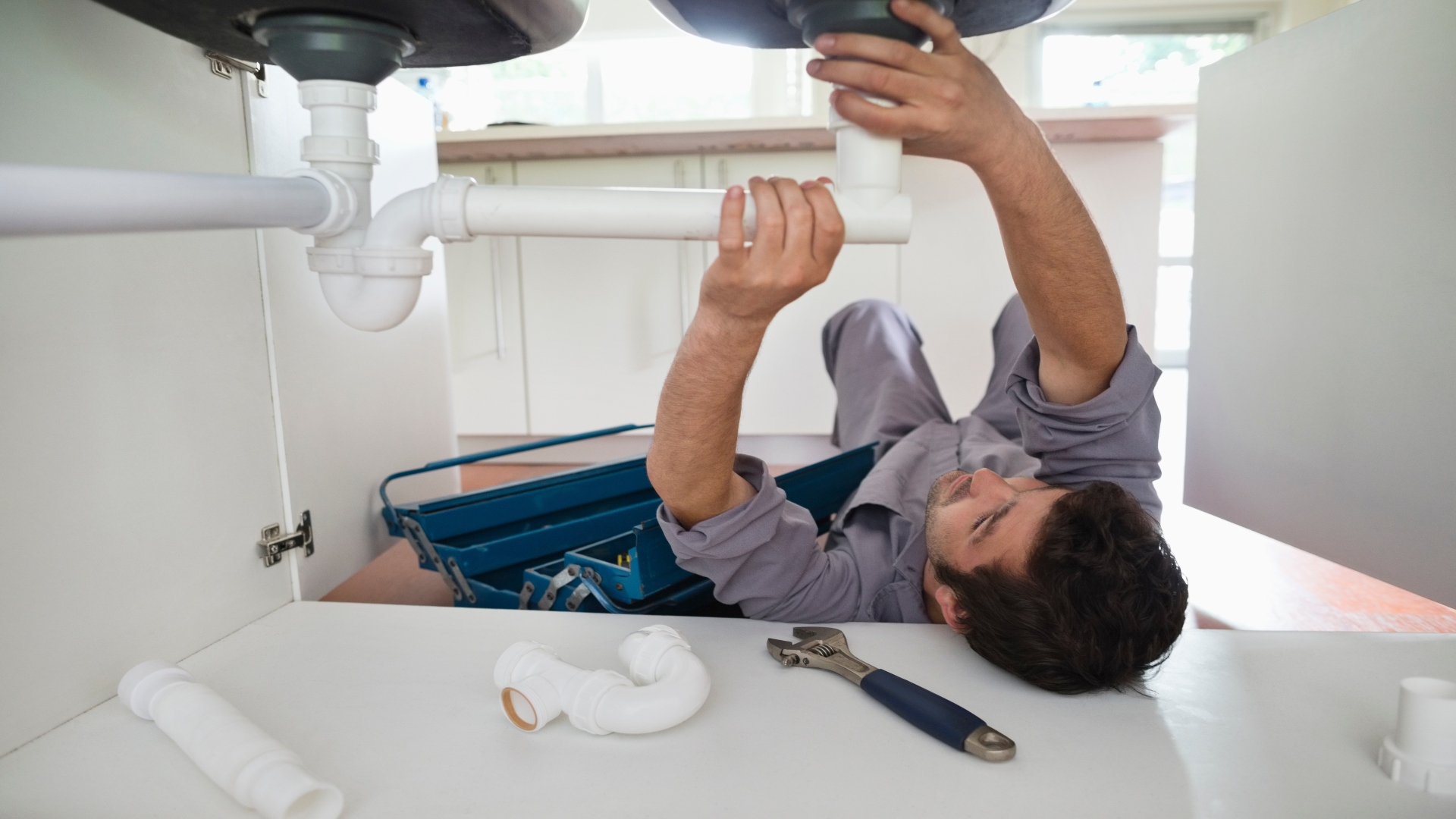
Connecting to electricity, water, sewage and sometimes gas is another upfront item, and costs vary by park and region. Electricity hook up is typically £200 to £800, influenced by cable runs and any upgrades needed for your model.
Water and sewage connection usually sits around £150 to £500 for the initial hook up, and some parks include this in a siting package. Gas connections, where available, can add £100 to £300. Some modern caravans have efficient systems that need particular connections or additional safety kit.
Parks sometimes bundle utilities into a package, which can be convenient and good value. Just make sure you know what is included and whether meters or standing charges affect your ongoing fees.
A few quick checks help avoid hidden utility costs:
• Ask for a detailed breakdown of every connection fee • Confirm whether meters need installing and who pays • Check for minimum usage charges or standing fees • Clarify what happens if utility upgrades are needed later • Understand the park policy on utility maintenance and repairs
Decking, Outbuildings, and External Features
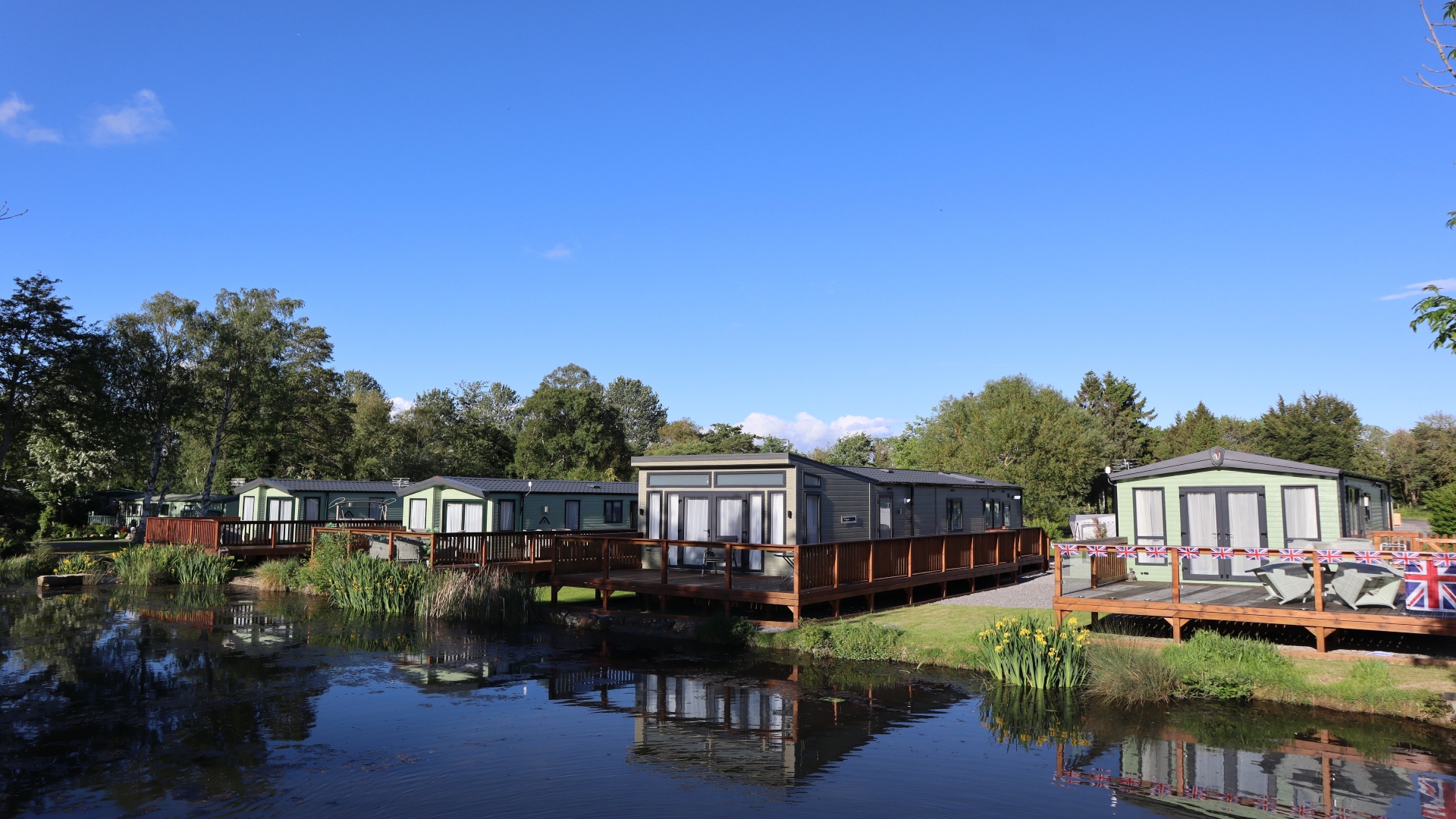
Outdoor space makes a big difference to everyday enjoyment, so it is worth planning the budget early. Basic timber decking typically costs £15 to £40 per square metre, and composite or more involved designs will be higher.
A modest decked area of about 20 square metres usually comes in around £500 to £1,200 including materials and installation. Many owners feel that putting quality decking in from the start saves maintenance later and adds real day to day value.
Sheds, stores and other outbuildings are practical extras. A simple garden shed for furniture and kit is often £300 to £800, and bespoke storage can be more. Parks sometimes have rules on sizes and styles, so check what is allowed before you buy.
Unexpected Expenses and Contingency Planning
Even with a careful plan, the odd extra can pop up. Keeping a contingency of about 10 to 15 percent of your total budget gives you breathing space. Common surprises include extra groundwork if the pitch needs more levelling, electrical upgrades for higher power models or safety equipment required by the park.
You may also want to set aside £500 to £1,500 for personal touches and small improvements, things like new soft furnishings or a quick kitchen or bathroom refresh. None of this is essential, but it can make your caravan feel like yours from day one.
Weather can delay transport and siting, which sometimes means storage fees or temporary accommodation. A small buffer helps you ride that out without stress.
Before you commit, this simple pre purchase checklist keeps everything on track:
• Get detailed written quotes for every major cost • Confirm payment schedules and what triggers each stage • Verify insurance requirements and line up quotes early • Check park rules on contractors, timing and access • Make sure you have funds in place for completion • Keep a small contingency for the unexpected

Making It All Add Up
Once you add everything together, the upfront spend is usually around 15 to 25 percent on top of the basic purchase price. So, for a £40,000 caravan, a realistic figure to have ready is about £46,000 to £50,000 to cover the extras and get settled in properly.
It can look like a lot on paper, but most owners tell us that once the initial bits are sorted, running costs feel manageable and the time they spend at the caravan is well worth it.
Preparation is your friend. Take your time, ask questions and lean on people who know the caravan world. The team at NACO Services is here with insurance, practical advice and member resources, so your route into ownership feels calm and straightforward.
Thousands of families go through this every year, and with a clear plan you will soon be enjoying your own place by the sea or in the countryside. What stage are you at, and what would you like help with?