Thinking about adding a new deck, shed, or a touch of landscaping around your static caravan? While these improvements can transform your holiday home and outdoor space, it’s important to remember that every park or site has its own set of rules about what’s allowed. Understanding these rules before you start can save you time, money, and stress.
This guide explains the typical site rules, how to apply for permission, and tips to help you make smooth, compliant improvements to your caravan or lodge.
Typical Site Rules and Permission Requirements
Most holiday parks have clear regulations on what owners can and cannot do when it comes to exterior changes. These rules are in place to maintain safety, consistency, and the overall look of the park.
Before beginning any project, you’ll usually need written permission from the park management. Even minor changes like adding planters or painting your decking may require approval. This is to ensure your improvements don’t impact neighbouring plots, utilities, or the park’s aesthetic standards.
Common restrictions often include:
- Size and placement limits (for decking, sheds, or storage boxes)
- Approved materials and colours that match the park’s visual style
- Safety regulations, especially if your addition is fixed or structural
- Rules about professional installation, particularly for electrical or gas connections

Common Exterior Improvements
Some of the most popular exterior enhancements among caravan and lodge owners include:
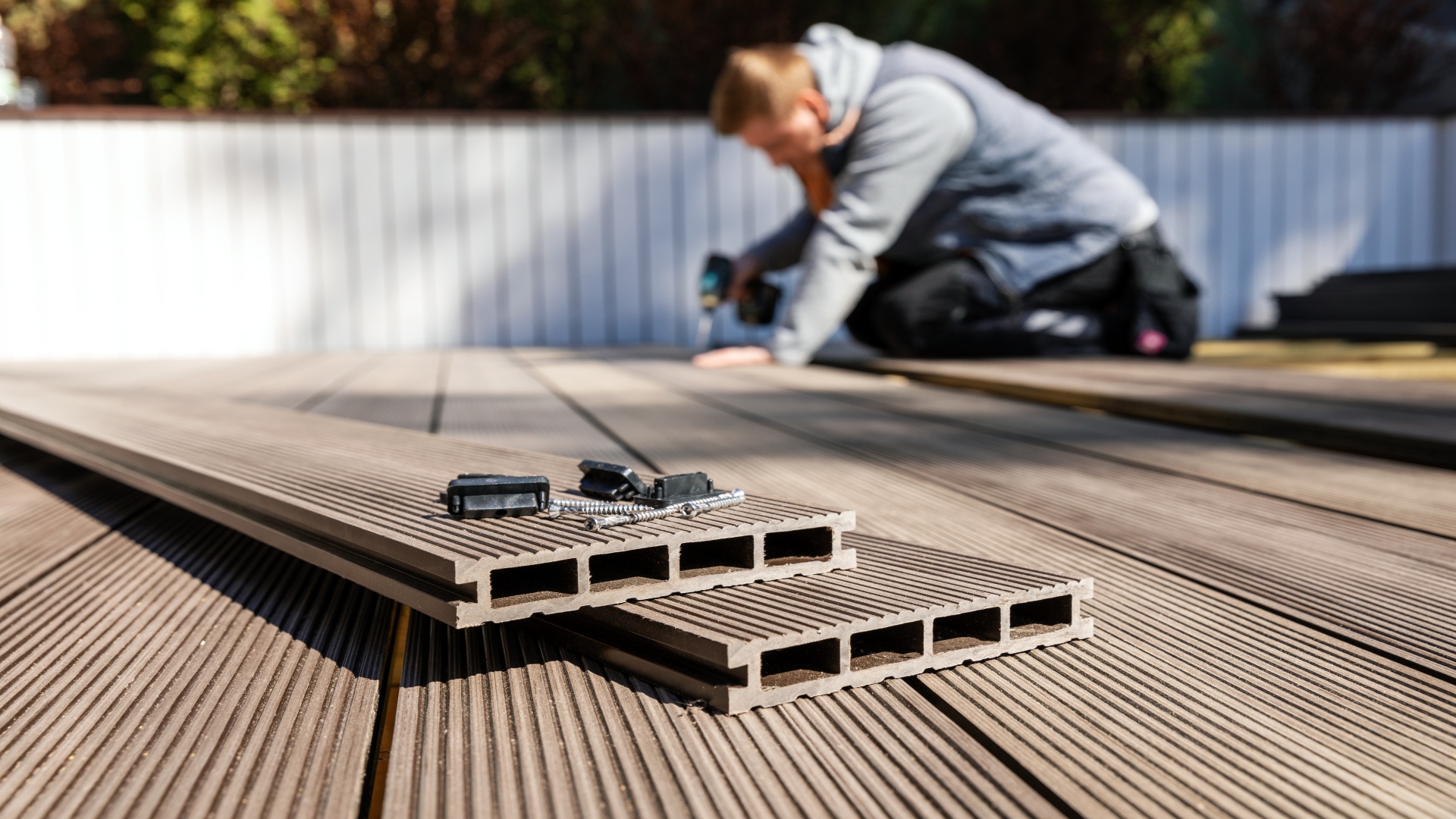
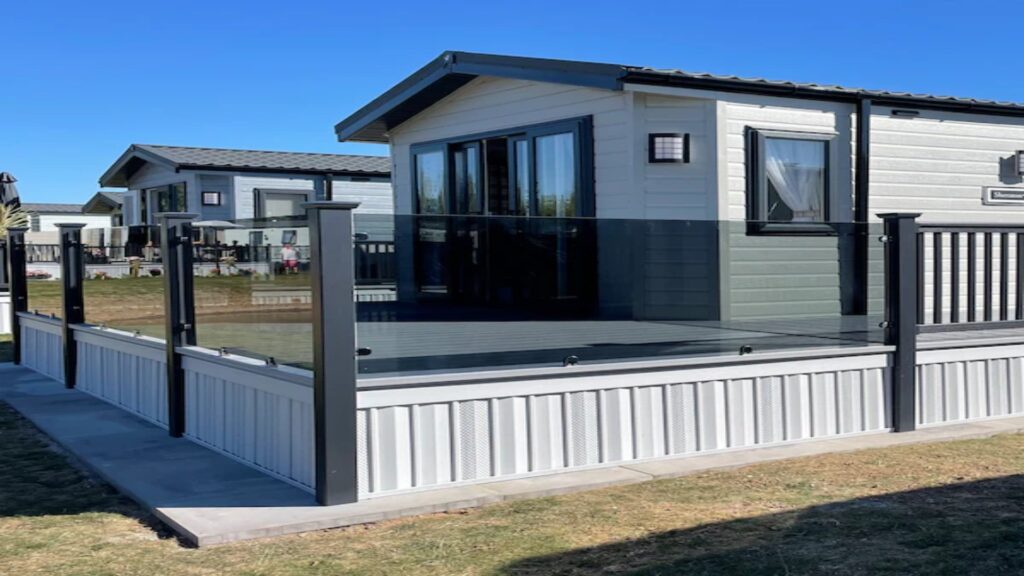
- Decking and Verandas – Ideal for creating an outdoor seating area. You’ll usually need to use approved non-slip materials and ensure the design meets safety and fire regulations.
- Skirting – Adds a finished look and helps insulate the space underneath your caravan. Many parks specify colour and material requirements to keep a uniform appearance.
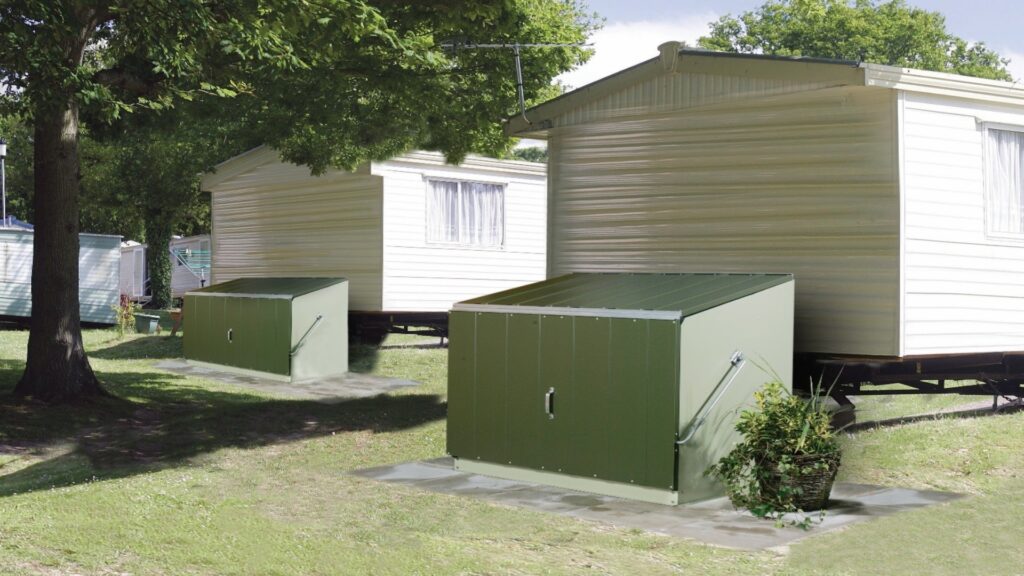
- Sheds and Storage Units – Great for keeping outdoor furniture or tools tidy, but typically there are size limits and placement rules.
- Landscaping – Simple touches like gravel, potted plants, or edging can personalise your pitch, but permanent features like fencing or paving may need prior consent.
The Application Process for Changes
Every park’s process is slightly different, but most follow a similar structure:
- Submit a proposal – Outline your plans in writing or via a standard application form. Include drawings, measurements, and material details if required.
- Await review and approval – Park management will check your plans against site guidelines, safety rules, and visual standards.
- Approval and installation – Once you receive written permission, you can go ahead - often with conditions about who can carry out the work or deadlines for completion. Make sure you keep a copy of the written permission.
- Make sure you keep a copy of the written permission
Restrictions and Guidelines
Your park might have specific guidance such as:
- Only certain builders or contractors are permitted to work on-site.
- All additions must remain non-permanent and easily removable.
- No alterations should block emergency access or neighbouring views.
- Structures should comply with fire safety distances between units.
It’s always best to check your pitch licence agreement or park handbook for detailed guidance before making any commitments.
Tips for Smooth Approval
- Communicate early – Discuss your plans informally with park management before submitting an application.
- Stay within boundaries – Make sure your plans don’t extend beyond your allocated pitch area.
- Keep records – Save copies of approvals, emails, and plans for future reference or resale.
- Choose approved installers – Using contractors familiar with park standards can make the process faster and easier.
Conclusion
Enhancing your caravan’s exterior can make your holiday home even more enjoyable, but it’s essential to follow your park’s rules to avoid disputes or delays. By understanding the site’s requirements and securing permission before starting work, you’ll ensure your improvements are safe, compliant, and beautifully in keeping with your surroundings.