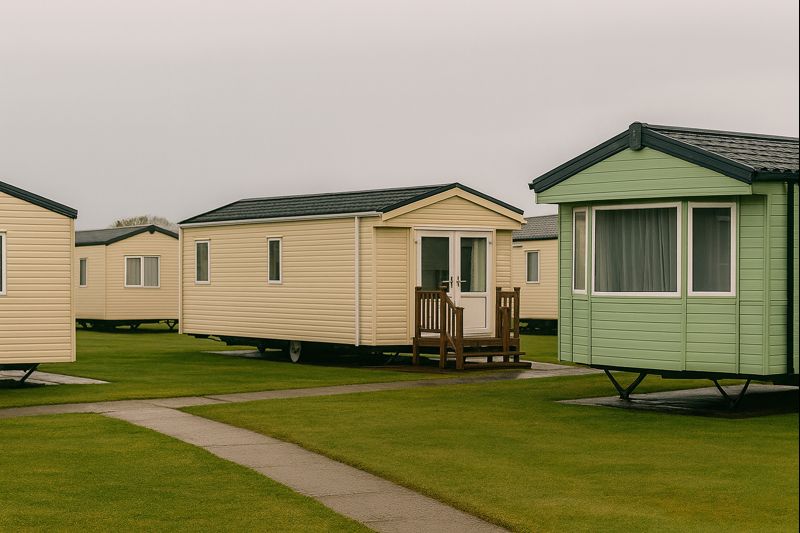
15 year licence rule questions come up all the time when people buy, sell, or plan to keep a static caravan or holiday lodge on a park for the long term. In plain English: many parks use a time-based policy (often around 10–15 years, sometimes longer) to decide whether a unit can remain on a pitch, be sold on-park, or must be replaced.
Below is a practical guide to how these rules typically work, what to look for in your paperwork, and the smart questions to ask before you commit.
What is the 15 year licence rule?
The 15 year licence rule is a common way holiday parks describe a pitch licence term or an age-related policy affecting how long a caravan or lodge can remain on the park.
Depending on the park, it can mean one (or a combination) of the following:
A licence period (for example, 15 years) connected to your right to keep your unit on that pitch
An age limit policy where a caravan/lodge reaches a maximum permitted age (often 10–15 years for caravans, sometimes longer for lodges)
A rule that impacts whether you can sell “on-park” once your unit reaches a certain age
A requirement for inspection and approval once your unit reaches a certain point in its life
The important bit: parks do not all use the same wording, and “15 years” can refer to different things. Your written licence agreement and the park’s written policies are what matter.
Why do parks set age or licence limits?
Parks usually justify age or licence limits for a few predictable reasons:
Safety and compliance: older units may need more work to meet modern gas/electrical/fire expectations
Appearance and standards: parks want consistency across the site
Commercial planning: parks budget around upgrade cycles, sales programmes, and pitch utilisation
Resale control: some policies are designed to manage what can be sold and when (especially “sell-on-park” permissions)
None of that is automatically “good” or “bad” - but it does mean you should treat age/licence rules as a key part of affordability, not a footnote.
How the 15 year licence rule can affect you
1) Resale value and “sell-on-park” options
If your unit has plenty of time left before any age/licence threshold, it’s usually easier to sell and you’ll often see stronger buyer interest.
If it’s near the threshold, you may run into:
fewer buyers (because they don’t want a short remaining term)
lower offers
restrictions on selling on the pitch
pressure to upgrade rather than resell
If you’re thinking of selling, click here for a NACO guide.
2) Upgrade timing (and avoiding “panic replacement”)
The best time to plan an upgrade is usually years before any limit bites. That gives you choices: models, finance, seasonal timing, and negotiating power.
If you leave it late, you can end up forced into a quick decision—often the most expensive way to do it.
3) Removal, transport, and end-of-life costs
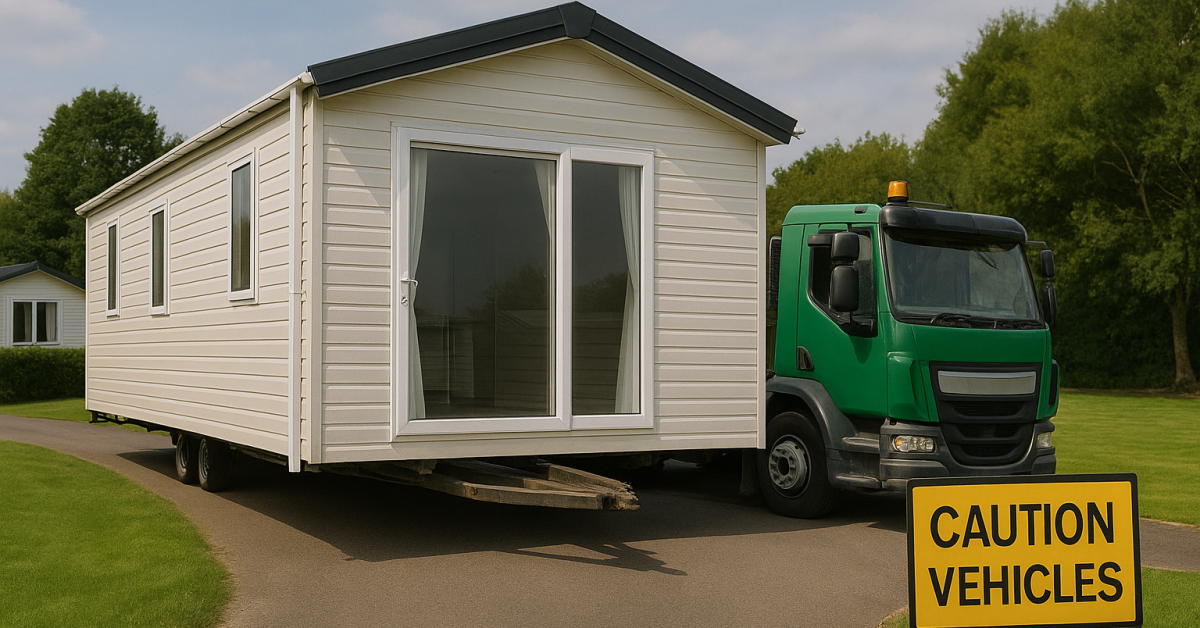
If a park requires a unit to be removed, owners can face practical costs such as:
de-siting and transport
storage (if applicable)
disposal or sale off-park
making-good the pitch (sometimes required)
Always ask what happens operationally and financially if the unit must leave the park.
Do lodges have different rules from caravans?
Often, yes.
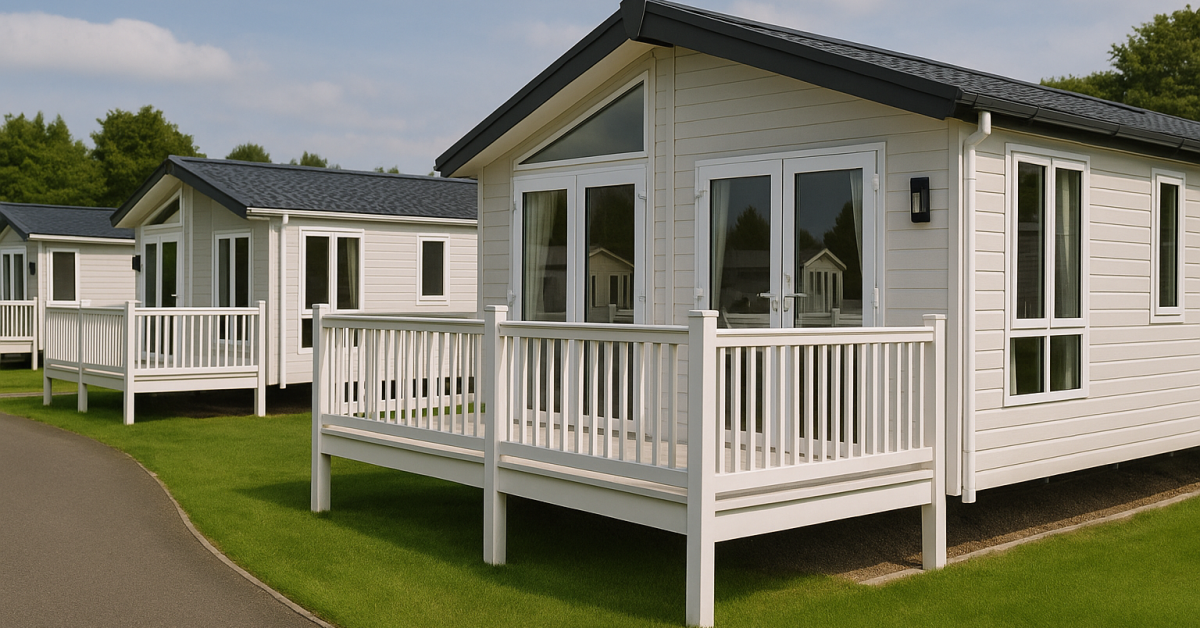
Many parks treat lodges differently because they may be built to a higher spec and have longer expected lifespans. Some parks allow longer terms for lodges, while still applying tighter limits to caravans.
Don’t assume, though-get the park’s position in writing, including whether the lodge is treated differently on your specific pitch.
Are exceptions possible under the 15 year licence rule?
Sometimes. Common “exception” routes include:
a condition inspection (the unit must meet a standard)
proof of ongoing maintenance/refurbishment
the park offering a discretionary extension (often time-limited)
lodge-specific allowances where construction spec is higher
If anyone says “don’t worry, we’ll extend it,” the follow-up is simple: ask for that in writing.
What to check in your licence agreement (and what to ask the park
Because the 15 year licence rule can be described in different ways, ask direct questions and match the answers to your documents.
Key questions
What is the maximum permitted age for caravans and for lodges (if different)?
Is the “15 years” a licence term, an age rule, or both?
Can I sell on-park at any time, or only if the unit is below a certain age?
What happens at the end: inspection, extension, upgrade requirement, or removal?
Are there fees for inspections, admin, re-siting, or removal?
If there’s discretion, what standard is used and who decides?
🟩 For a clear explainer on the paperwork itself, Check our our blog  What is a licence agreement
🟩 And if you want the “big picture” on what you’re actually buying (and what you aren’t), this one helps: Do you own the land or just the caravan, understanding your rights

Practical tips to protect yourself (buyers, sellers, and owners)
- Get everything in writing. Verbal assurances won’t help if there’s a dispute later.
Plan early. If you’re within 3–5 years of a limit, start exploring options now.
Ask about inspection criteria. If extensions exist, find out what “pass” looks like.
Understand subletting rules too. Some owners plan to offset costs by renting out—make sure that’s allowed and compatible with your long-term plans.
🟩 For information on subletting check out our blog Can I sublet or rent out my caravan/lodge. What owners need to know
Helpful external resources
For broader context and consumer guidance, these independent resources can be useful:
UK government overview of consumer rights: https://www.gov.uk/consumer-protection-rights
Which? consumer rights hub: https://www.which.co.uk/consumer-rights
(These are general consumer resources—your specific rights and obligations will depend on your written agreement and the facts of your situation.)
FAQs: 15 year licence rule
Can a park make me remove my caravan or lodge at a certain age?
If your written agreement/policies allow it, yes - parks can enforce age/licence conditions. The critical point is what you agreed to in writing.
Does the 15 year licence rule always mean the caravan must leave at 15 years old?
Not always. Some parks use “15 years” as a licence period, others as an age threshold, and some link it to inspection/approval. Always pin down what it means on your park.
Does it affect resale value?
Yes. Short remaining terms or age thresholds can reduce buyer demand and selling options, especially if selling on the existing pitch is restricted.
Can an excellent-condition unit get an extension?
Sometimes - usually via inspection. But it’s discretionary on many parks, so get the criteria and outcome in writing.
Conclusion
The 15 year licence rule matters because it can shape your ownership costs, your ability to sell on-park, and whether you’ll face an upgrade or removal decision in the future. The safest approach is simple: read the licence agreement carefully, ask the park direct questions, and keep written records of every key promise.
Check out this blog 👉 Can I sublet or rent out my caravan/lodge. What owners need to know